



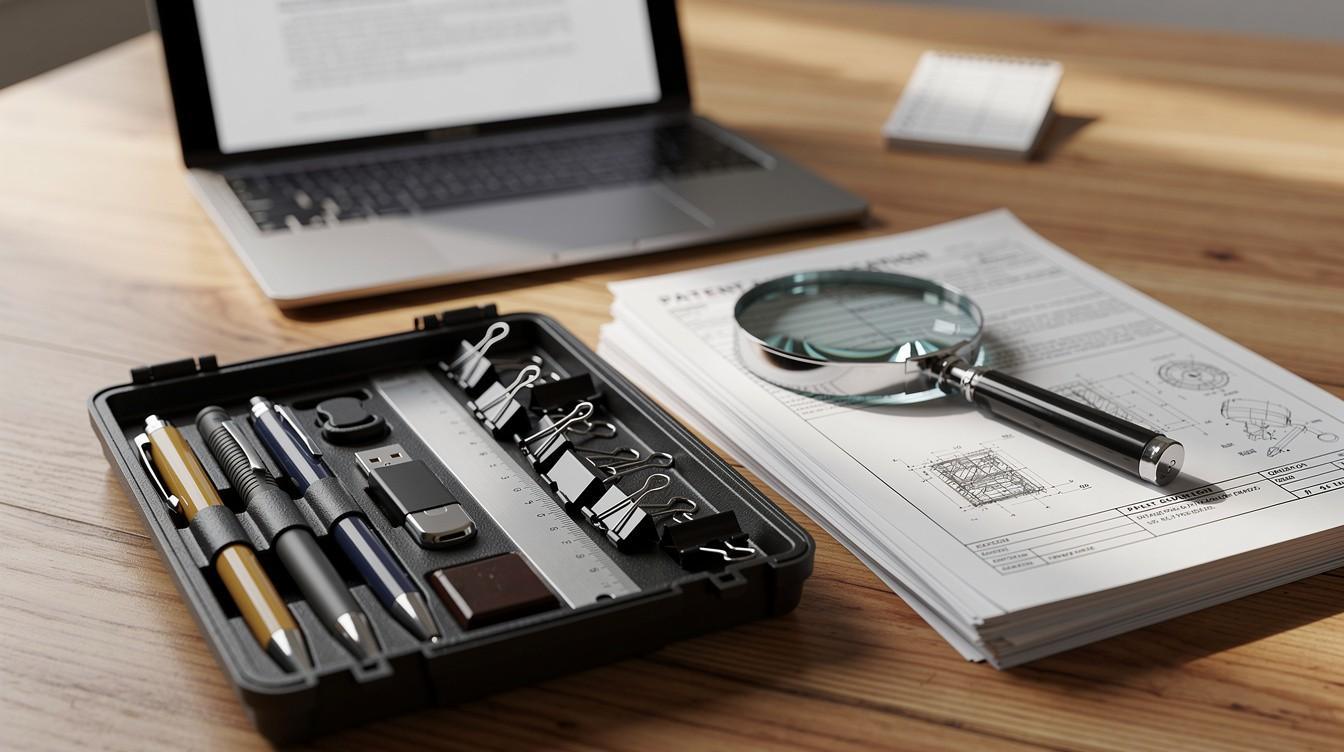
Patent Application Toolkit: Essential Resources for Filers
Filing a patent application in Orlando, Florida requires navigating complex requirements, technical specifications, and strict deadlines with the USPTO. Without the right patent application toolkit and resources, applicants often make costly mistakes that delay or derail their protection efforts.
We at Daniel Law Offices, P.A. have compiled this guide to help you understand what you need, where to find it, and how to avoid common pitfalls. This resource walks you through the essential tools, databases, and support systems that successful filers use.
Understanding Patent Application Requirements in Orlando, Florida
Types of Patents and Eligibility Criteria
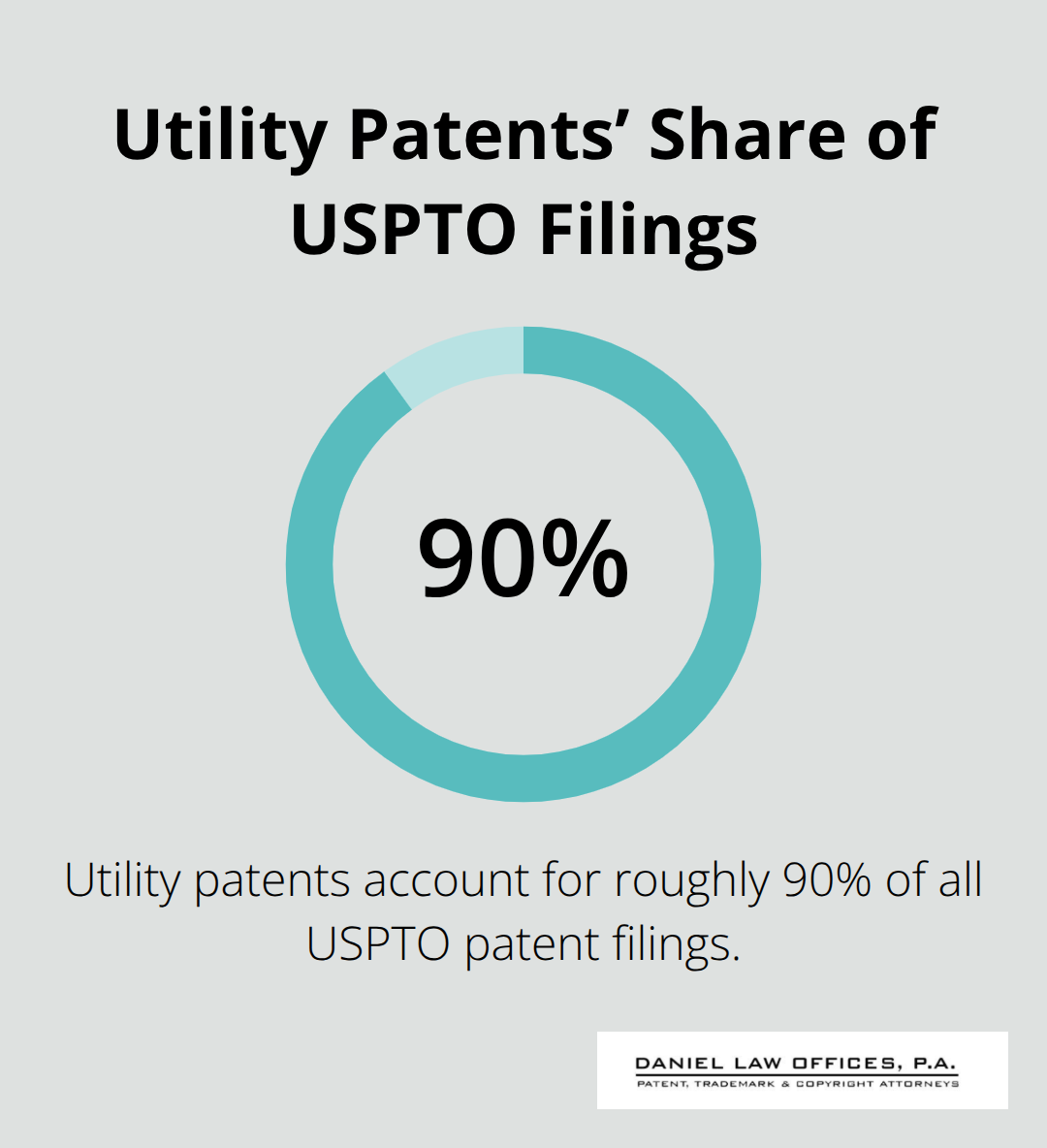
The USPTO recognizes three primary patent categories, and selecting the correct one shapes your entire filing strategy. Utility patents protect how something works or what it does and account for roughly 90% of all patent filings according to USPTO data. Design patents cover the ornamental appearance of an object, while plant patents address new plant varieties.
Most inventors in Orlando, Florida pursuing patent protection need utility patents, but misidentifying your invention’s category wastes months and thousands in filing fees.
A utility patent lasts 20 years from your filing date, design patents protect for 15 years, and plant patents run 20 years as well. The USPTO requires your invention to meet four core eligibility standards: it must be useful, novel, non-obvious, and fall within patentable subject matter. Software, business methods, and abstract ideas face heightened scrutiny at the USPTO, with rejection rates exceeding 70% for certain software applications according to recent patent office statistics. Your invention cannot simply be a natural phenomenon, abstract idea, or law of nature-it must represent a tangible technological advancement or practical application.
Documentation and Technical Specifications Needed
Documentation requirements demand precision that most first-time filers underestimate. The USPTO mandates detailed technical specifications, drawings, claims describing exactly what you’re protecting, and a written description enabling someone skilled in your field to recreate your invention. Your drawings must meet specific formatting standards with proper margins, line weights, and reference numerals, or the USPTO will reject them outright.
The specification section needs comprehensive detail-vague descriptions like “improved efficiency” fail repeatedly at the patent office. Applicants often submit incomplete technical drawings or specifications that lack the depth examiners require to understand the invention fully. Investing time in thorough documentation at the outset prevents rejections that extend your timeline significantly.
Timeline and Filing Deadlines with the USPTO
Filing deadlines carry serious consequences that affect your patent rights globally. Once you publicly disclose your invention, you have only 12 months to file a provisional or non-provisional application before losing patent rights in most countries. Non-provisional applications require a formal examination process lasting 18-36 months on average, during which an examiner reviews your claims against prior patents and publications.
Provisional applications offer a faster entry point, costing $320 for small entities and establishing your priority date without full examination, but they expire after 12 months if you don’t convert to a non-provisional filing. Missing this conversion deadline means losing your priority date and starting over with a later filing date. Understanding these timelines helps you plan your filing strategy and avoid the costly mistakes that delay protection.
Key Resources and Tools for Patent Filers
Conducting Thorough Prior Art Searches
Conducting a thorough prior art search before filing separates successful applicants from those facing rejection after months of examination. The USPTO offers free access to patent databases through Google Patents and the official USPTO search portal, where you can review millions of issued patents and published applications dating back decades. Google Patents provides a more user-friendly interface with keyword searching and citation tracking, while the USPTO’s PAIR system gives you direct access to application status and official documents.
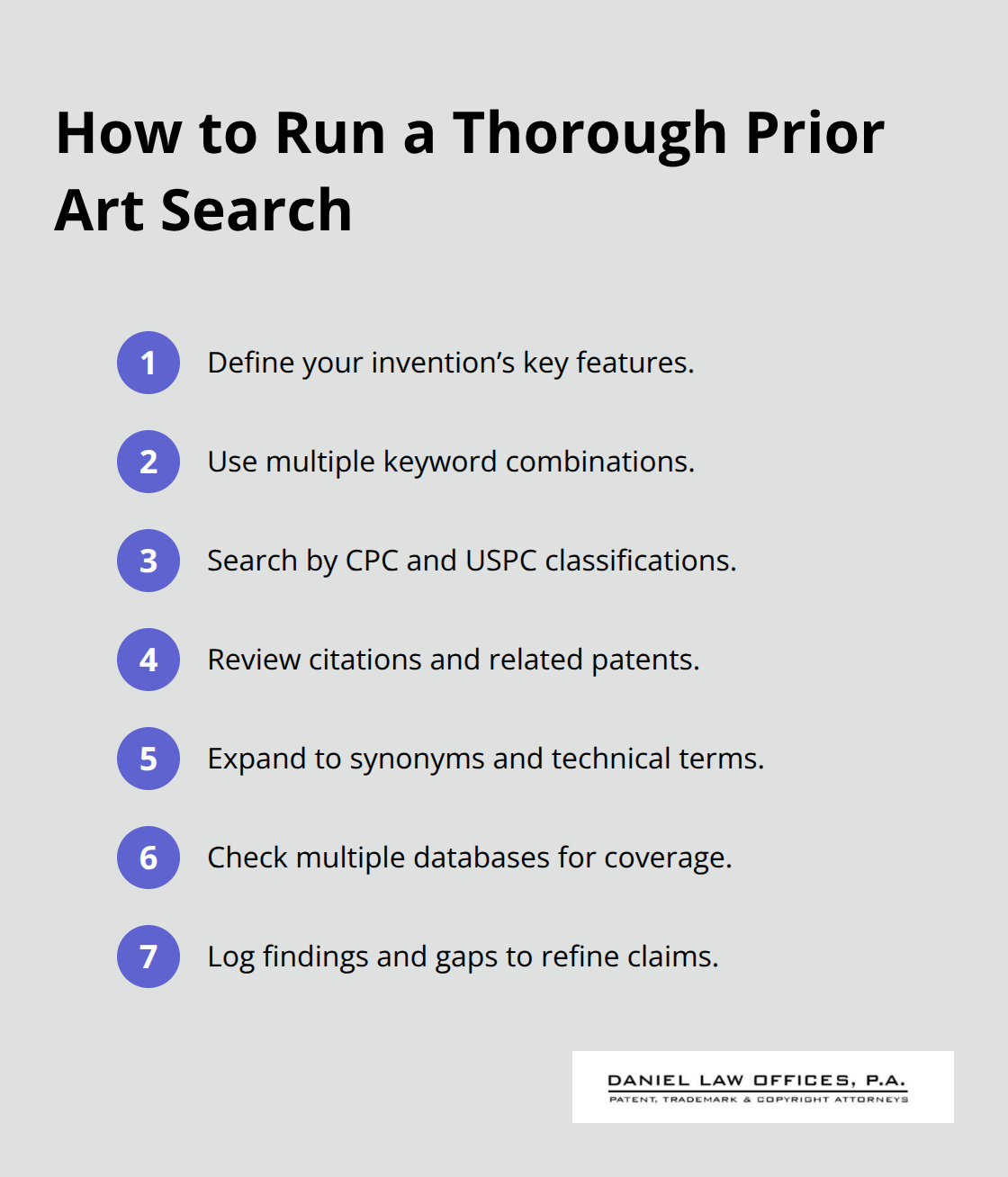
Most Orlando, Florida inventors skip this step or perform cursory searches, then face rejections when examiners cite prior patents the applicants never found. Spending 10-15 hours on comprehensive searches across multiple databases now prevents costly office action responses later. You should search using different keyword combinations, patent classifications, and related terminology because examiners will find references you missed if your search was incomplete.
Using Patent Classification Systems
The International Patent Classification system and USPTO Classification help you locate similar inventions in your technical field. These classification systems organize patents by technology category, allowing you to find competing or related inventions systematically rather than relying solely on keyword searches. Many applicants benefit from hiring a patent search firm to conduct professional searches, which typically cost $300-$800 and provide thorough reports identifying relevant prior art that strengthens your application strategy.
Selecting Filing Software and Platforms
Filing software and platforms vary significantly in capability and cost, making your choice dependent on application complexity and your budget. The USPTO’s EFS-Web system is free and handles all filing requirements, but requires careful attention to formatting rules and technical specifications that trip up inexperienced filers. Third-party platforms like LegalZoom and Rocket Lawyer offer templates and guided workflows starting around $200-$400, though they lack the depth needed for complex inventions with multiple dependent claims.
Patent prosecution management software like Patentpoint or IP Portfolio Management systems cost $1,000-$5,000 annually but serve larger companies managing multiple applications. The reality is that most inventors benefit from professional legal guidance rather than attempting solo filing, since examiner rejections require technical responses that demand deep patent law knowledge and prosecution strategy experience. This is where the guidance of a registered patent attorney becomes invaluable as you navigate office actions and refine your claims.
Common Mistakes Patent Applicants Make
Inadequate Prior Art Research
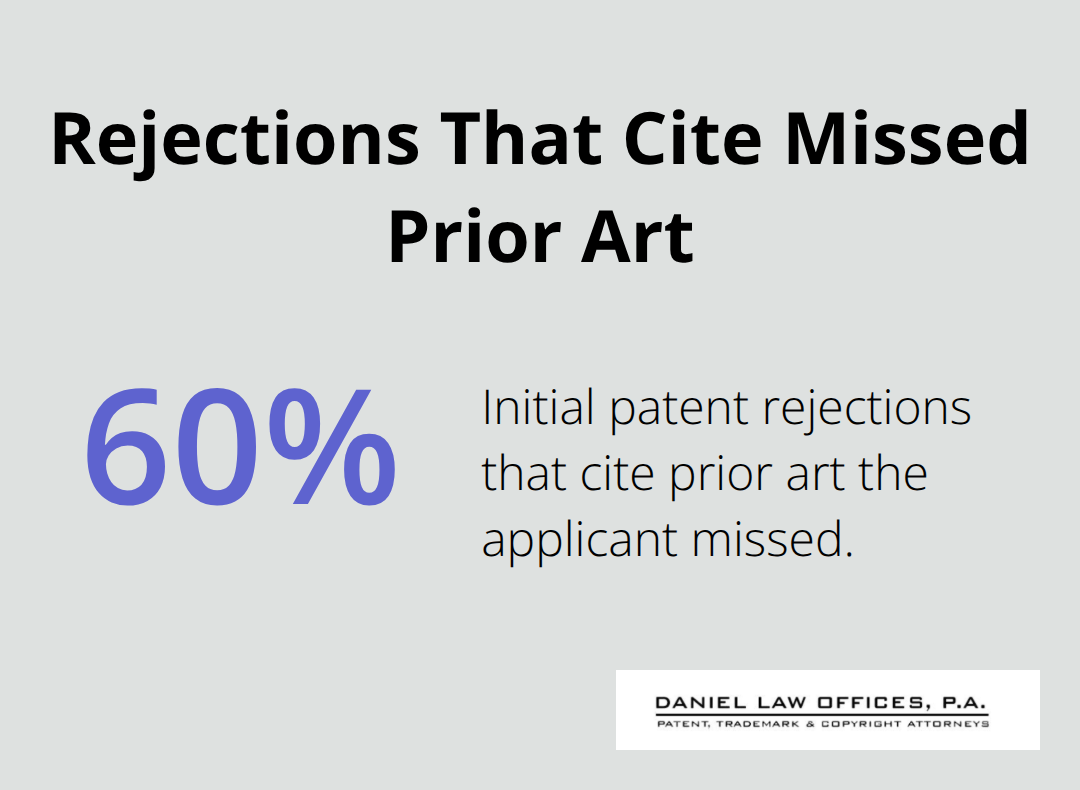
Inadequate prior art research tops the list of preventable mistakes that sink patent applications before examination even begins. Most Orlando, Florida inventors conduct surface-level searches using basic keywords, then file applications that examiners reject within months because similar patents already exist in the USPTO database. The Federal Circuit Court reports that approximately 60% of initial patent rejections cite prior art the applicant never found during their own search.
Spending 15-20 hours on comprehensive prior art research using multiple databases, classification systems, and technical terminology combinations prevents months of costly office action responses later. Search Google Patents, the official USPTO database, and industry-specific patent collections because different search approaches surface different results. Many inventors discover too late that a competitor’s patent from five years prior covers their core invention, making their application unpatentable.
Professional patent search firms charge $400-$800 for thorough reports, and this investment often saves thousands in wasted filing fees and attorney time on doomed applications. The cost of a professional search pales compared to the expense of pursuing an application destined for rejection. If you’re uncertain whether to proceed alone, contact our patent attorneys to discuss your specific situation.
Poorly Drafted Claims and Specifications
Poorly drafted claims and specifications represent the second major failure point that stops applications in their tracks. Claims must define your invention’s scope with surgical precision, using specific technical language that examiners can evaluate against prior art without ambiguity. Vague language like “improved performance” or “enhanced efficiency” fails consistently because examiners cannot determine what exactly you’re claiming protection for.
The specification section requires sufficient detail that someone skilled in your field could recreate your invention from your written description alone, yet most inventors submit generic descriptions lacking concrete examples, measurements, or technical parameters. Weak specifications invite rejections that demand substantial revisions and extended prosecution timelines. Precision in your technical writing directly correlates with approval odds at the USPTO.
Missing Deadlines and Procedural Requirements
Missing filing deadlines and procedural requirements destroys applications that were otherwise patentable, since the USPTO enforces strict timelines with no flexibility. The 12-month deadline for converting provisional applications to non-provisional filings catches many applicants off guard, and missing this deadline forfeits your priority date entirely. Office action response deadlines typically provide only three months to address examiner rejections, and missing this window abandons your application permanently.
Orlando, Florida inventors frequently underestimate the complexity of responding to office actions, which require technical rebuttals demonstrating why your claims overcome the examiner’s rejections and why your invention qualifies for patent protection under USPTO standards. A registered patent attorney can navigate these procedural requirements and craft responses that address examiner concerns effectively. The difference between a strong office action response and a weak one often determines whether your application succeeds or fails.
Final Thoughts
Patent protection in Orlando, Florida demands systematic preparation, thorough research, and precise execution at every stage. The patent application toolkit we’ve outlined covers the essential databases, filing platforms, and procedural knowledge that separate successful applicants from those facing rejection. Prior art searches, technical documentation, and claim drafting form the foundation of applications that survive USPTO examination and deliver real protection for your invention.
If you haven’t conducted a comprehensive prior art search, start there immediately-this single step prevents wasted effort on unpatentable inventions and identifies the competitive landscape you’re entering. If you’ve already searched and confirmed novelty, focus on documenting your invention with the technical precision the USPTO demands (vague specifications and poorly drafted claims guarantee rejection). Most inventors benefit from professional guidance navigating procedural requirements, since the cost of attorney support pales against the expense of pursuing applications destined for rejection or losing protection through procedural mistakes.
We at Daniel Law Offices, P.A. assist individual inventors and businesses in securing patent protection through comprehensive searches, application drafting, and prosecution guidance. Whether you’re evaluating your invention’s patentability, preparing technical documentation, or responding to examiner rejections, contact Daniel Law Offices, P.A. to discuss how we can support your patent application toolkit and transform your innovations into approved protection.