



Patent Application Process Overview: A Clear Roadmap for Inventors
Getting a patent approved involves multiple stages, each with specific requirements and deadlines. We at Daniel Law Offices, P.A. have guided countless inventors through this patent application process overview, and we know the path can feel overwhelming without proper guidance.
This roadmap breaks down each phase so you understand what to expect from initial evaluation through final approval.
Is Your Invention Actually Patentable in Orlando, Florida?
Identifying Patentable Subject Matter
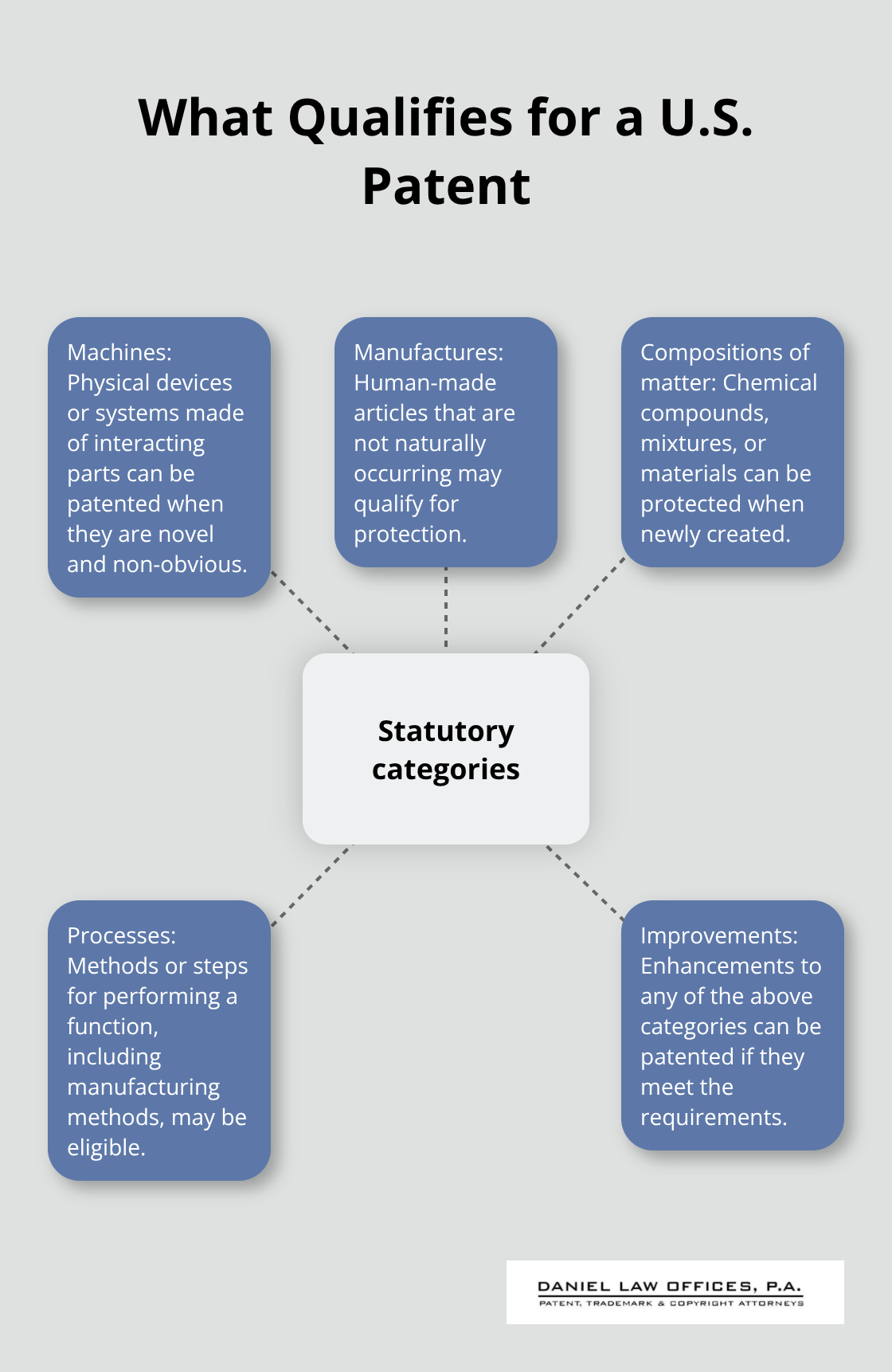
Before you invest time and money into filing a patent application, you need to determine whether your invention qualifies for patent protection. The USPTO receives over 600,000 patent applications annually, and a significant portion get rejected because they fail to meet patentability requirements. Your invention must fall into one of five statutory categories: machines, manufactures, compositions of matter, processes, or improvements to any of these. Abstract ideas, laws of nature, and purely mental processes do not qualify-the courts rejected patents for business methods like Amazon’s one-click purchasing in certain contexts. Identify exactly what you’re patenting.
Are you protecting a physical device, a chemical formula, a manufacturing process, or something else? This distinction matters because the USPTO examines each category differently. Many inventors make the mistake of being too vague about what they actually invented, which leads to rejections during examination.
Conducting Your Preliminary Patent Search
Conduct a preliminary patent search before filing anything. The USPTO database contains millions of issued patents and published applications you can search for free through their official website. Spending 10 to 15 hours on this search now saves you thousands in filing fees and attorney costs later. Look for patents that describe similar technology, earlier inventions that solve the same problem, or prior art that might make your invention obvious to someone skilled in your field.
The novelty requirement means your invention cannot have been publicly disclosed, sold, or patented anywhere in the world before your filing date. The non-obviousness requirement is stricter. Your invention must be substantially different from what already exists, not just a minor modification that someone trained in your industry would naturally make.
Moving Forward With Your Assessment
These two requirements-novelty and non-obviousness-form the foundation of patent eligibility. Once you understand whether your invention meets these standards, you can move forward with confidence. The next phase involves preparing the actual documentation and materials that the USPTO will examine.
Building Your Patent Application in Orlando, Florida
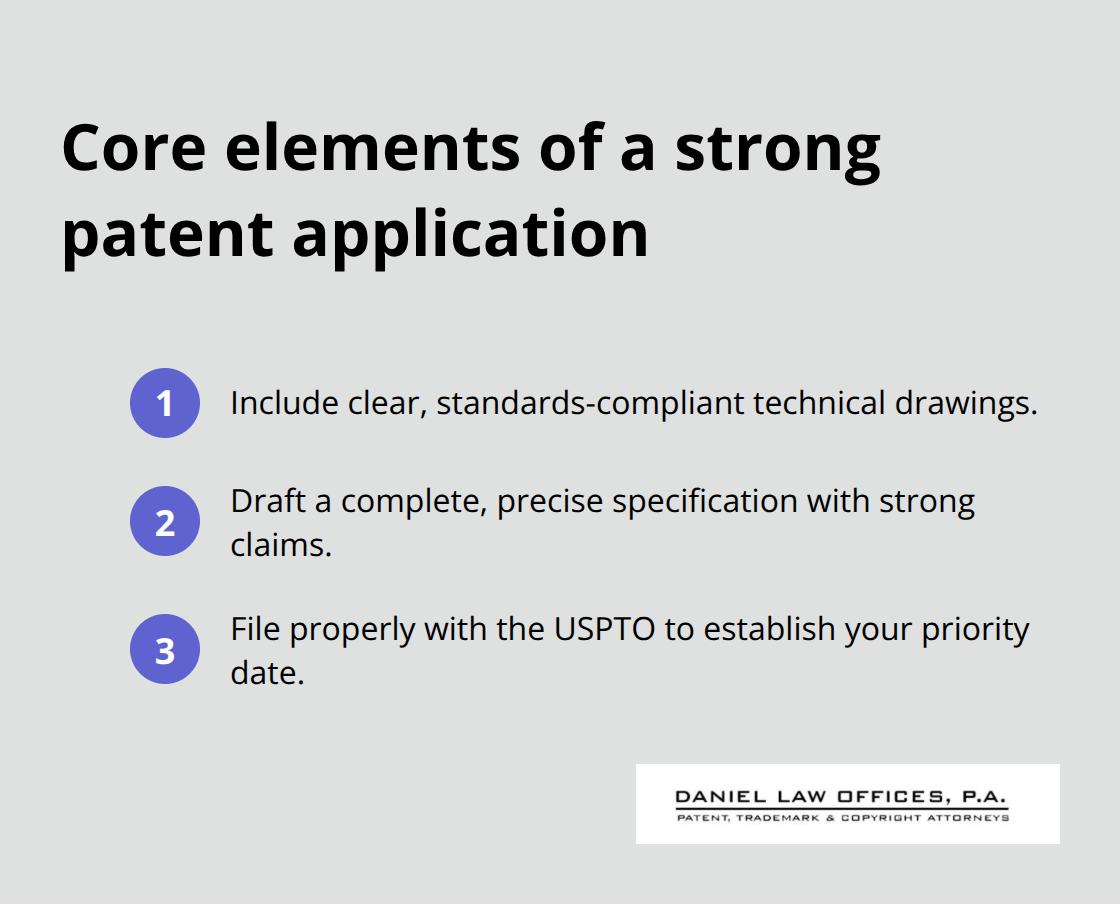
The difference between a patent application that sails through examination and one that faces years of rejections comes down to documentation quality. You need three core elements: technical drawings that show every detail of your invention, a complete specification that describes how it works and what makes it different, and proper filing with the USPTO.
Gathering Technical Documentation and Creating Drawings
Start by collecting all technical documentation you have, including sketches, prototypes, test results, and manufacturing specifications. The USPTO requires drawings that meet specific standards-they must be in black ink on white paper or digital equivalents, with numbered parts and clear labels. Poor drawings prevent the examiner from understanding your invention, and rejection becomes inevitable. Many inventors skip this step and hire someone to create drawings later, which costs between $500 and $2,000 per drawing set. Creating them now, while you understand your invention best, prevents costly revisions.
Writing Your Patent Specification
Your patent specification is the written description of your invention. It must explain what problem your invention solves, how it works, and what makes it different from existing solutions. The specification includes claims-the legal statements that define exactly what you’re protecting. Claims are the most important part because they determine the scope of your patent protection.
Write your specification with technical precision but in language that someone trained in your field can understand. The USPTO examines over 600,000 applications annually, and examiners spend an average of 20 hours reviewing each application. Unclear or vague specifications result in rejection and requests for clarification. Include multiple embodiments if your invention can be made in different ways (this strengthens your patent by showing various applications).
Choosing Your Filing Strategy
When you file with the USPTO, you can choose between a provisional patent application, which costs $320 and lasts 12 months, or a nonprovisional application, which costs between $900 and $1,800 depending on your business size. The provisional route gives you time to test your invention and gather more documentation before committing to the full nonprovisional filing. Most inventors file provisionally first to establish an earlier priority date without the full cost and complexity of a complete application. Once you submit your application, the USPTO begins its examination process, which involves detailed review and often requests for modifications to your claims and specifications.
What Happens After You File Your Patent Application in Orlando, Florida
The Examination Queue and Initial Wait
After the USPTO receives your nonprovisional application, the examination process begins-and this is where most inventors encounter their first real obstacles. The USPTO assigns your application a serial number and sends you a filing receipt within two weeks. Then you enter what feels like a void. The average wait time before an examiner reviews your application is 18 to 24 months, according to the USPTO’s own data. During this waiting period, nothing happens on the surface, but your application sits in an examination queue with hundreds of thousands of others.
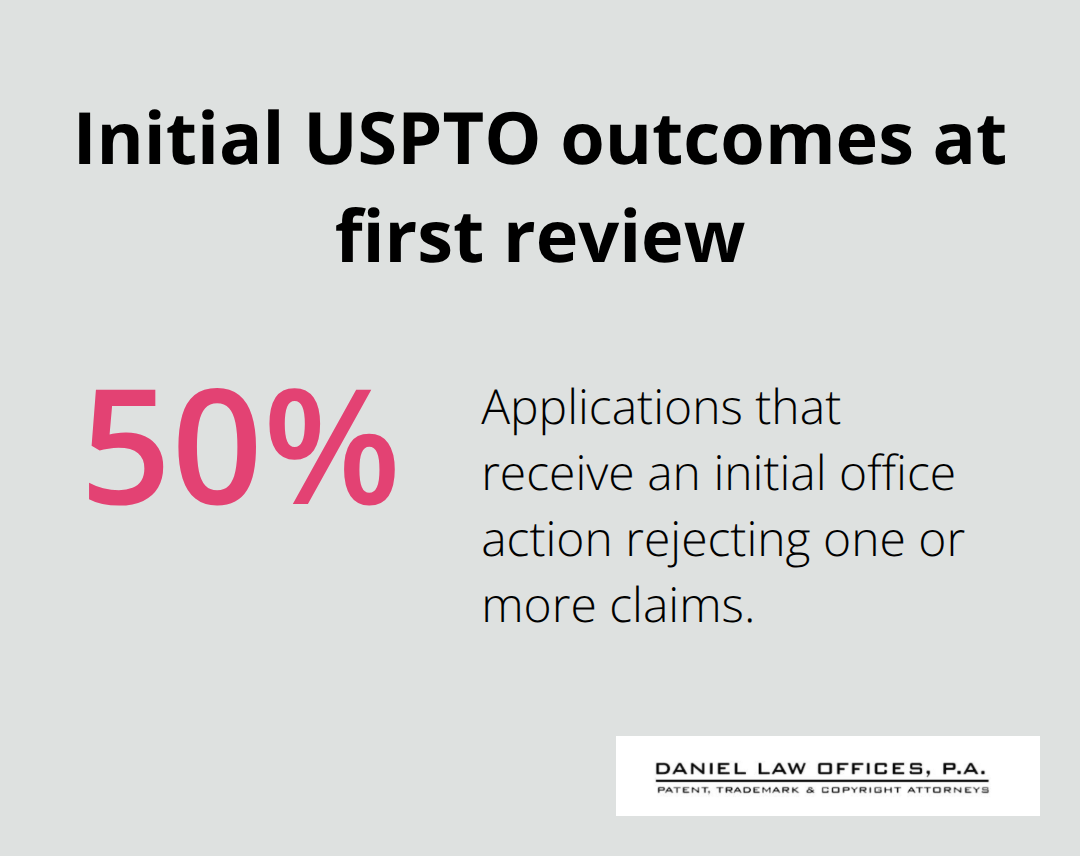
Many inventors mistakenly believe the long wait means approval is coming. In reality, the examiner will likely reject at least some of your claims on first review. The USPTO reports that approximately 50 percent of patent applications receive an initial office action rejecting one or more claims. This rejection is not personal and does not mean your invention lacks merit-it means the examiner found prior art or other technical reasons to narrow or eliminate specific claims.
Understanding Office Actions and Prior Art Citations
When you receive an office action from the examiner, you have three months to respond (extendable to six months for an additional fee). This response is called an amendment, and it requires strategic thinking about which claims to defend, which to narrow, and which to abandon. The examiner cites specific prior art patents or publications that allegedly make your invention obvious or non-novel, and your job is to explain why their reasoning is flawed or why your invention differs significantly from what they cited.
You can amend your claims to be narrower and more specific, making them harder to reject based on the cited prior art. You can also submit arguments explaining the differences between your invention and what already exists. Treat the first office action as the beginning of a negotiation, not a rejection of your entire invention.
Multiple Rounds of Prosecution and Appeals
Most inventors file amendments two to three times before reaching a final agreement with the examiner. If you disagree with the examiner’s final rejection, you can appeal to the Patent Trial and Appeal Board, though fewer than 10 percent of applicants pursue appeals. The entire prosecution process typically takes three to five years from initial filing to final approval, though complex inventions sometimes require longer.
Inventors who respond promptly to office actions and work collaboratively with examiners see faster approval timelines than those who delay or submit incomplete responses. Each amendment you file strengthens your position by either clarifying your invention’s unique aspects or narrowing your claims to avoid problematic prior art. The key to success lies in understanding that patent prosecution is an interactive process between you and the examiner, not a one-time submission.
Final Thoughts
The patent application process overview spans three to five years from your initial patentability assessment through final approval, with each phase requiring precision and strategic decision-making. You begin by confirming your invention meets patentability requirements and conducting a preliminary search, then move into preparing technical documentation and writing your specification with sufficient detail. Filing your application with the USPTO establishes your priority date and launches the examination process, where the 18 to 24 month wait before initial review tests your patience but gives you time to refine your invention or explore commercialization options.
When the examiner’s office action arrives, your response strategy determines whether you’ll reach approval quickly or face multiple rounds of amendments. The USPTO reports that approximately 50 percent of patent applications receive an initial office action rejecting one or more claims, but this rejection does not mean your invention lacks merit. You can amend your claims to be narrower and more specific, submit arguments explaining the differences between your invention and existing prior art, or appeal to the Patent Trial and Appeal Board if you disagree with a final rejection.
After the USPTO issues your patent, you gain enforceable rights to exclude others from making, using, or selling your invention for 20 years from your filing date. We at Daniel Law Offices, P.A. assist inventors through every stage of patent prosecution, from initial searches through final approval and beyond. Contact Daniel Law Offices, P.A. to discuss your invention and learn how we can guide you toward patent protection.